Shindig! #172 – Barry Ryan
Parties with Hendrix. A screen test with Sinatra. Nepo baby allegations.
BARRY RYAN lived a life of pure showbiz. With and without twin brother Paul he was incapable of making a bad record, or indeed a normal record; with the masterpiece ‘Eloise’, the Ryans inexplicably managed to inspire both Queen and The Damned.
HUW THOMAS unravels the story behind some of the most ambitious pop records ever put down on tape
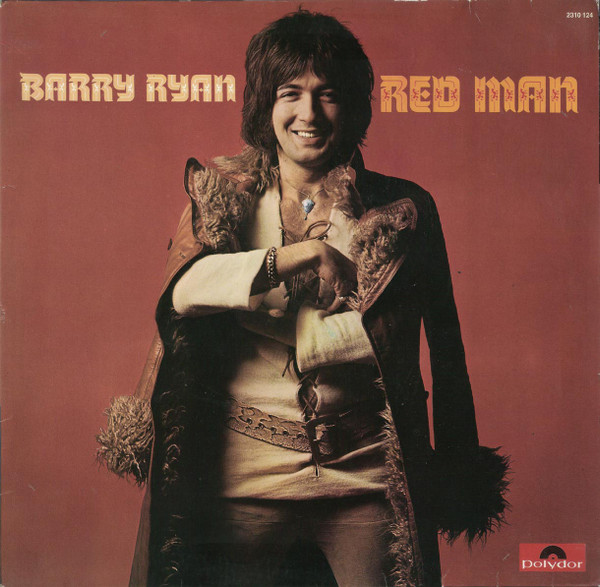
The Ryans seemed to be packing all their best ideas into the singles at this point. Barry Ryan 3 (1970) could be described as his ‘Til The Band Comes In, though that might be a slight on Scott. It contains gems like the driving ‘We Did It Together’, but half of the album is devoted to rather unimaginative covers including Randazzo and Pike’s ‘Better Use Your Head’, previously recorded, in an identical arrangement, by Marion Ryan. The album was passed over for UK release, leading Paul to joke in a rare Record Mirrorprobe that his songs were “too good for England”. Red Man (’71) met the same fate, though it was an improvement on its predecessor, boasting strong original Paul material like the tricksy ‘Easy as You Go’. Its Russian-inspired title track (“Sputnick II is floating round my head / Cossacks dancing on the moon”) went Top Five in France and stand-out ‘Today’ became an enormous German hit as ‘Zeit macht nur vor dem Teufel halt’, achievements that meant nothing when Barry returned to England to play the cabaret slots he thought were behind him. “There is still a bit of resentment in some quarters towards me,” he wagered in The Evening Sentinel. “I wouldn’t be surprised if there are some people who would like to believe that my mother wrote my songs.”
Backing Barry at British cabaret gigs and European outdoor shows alike were The Verge, a Scottish quintet led by Willie McKellar and managed by Status Quo’s Alan Lancaster. They could deliver the power of a 30-piece orchestra for a smidgen of the cost and inspired Barry to dip his toe into songwriting. With McKellar, he wrote almost an albums’ worth of hard-rock songs and recorded them with The Verge at De Lane Lea Studios. Deep Purple producer Martin Birch handled the sessions and one highlight, ‘Slow Down’, must be heard to be believed – it sounds like Russell Mael joining Black Sabbath! According to McKellar, Barry was prevented from changing his image and becoming part of the band full-time by Polydor. They wanted hits and had him record two Russ Ballard compositions custom-built for chart warfare, the faintly glam ‘Can’t Let You Go’ and ‘From My Head To My Toe’. The former gave Barry one last UK success, making #32, but it’s the latter, a Foundations-style romp with a triumphant soul vocal, that deserved to go Top 10. It doesn’t sound very Barry Ryan but he made it work. Only a fool would underestimate a man who sang about Satan, incest and prawn cocktails in supper clubs.
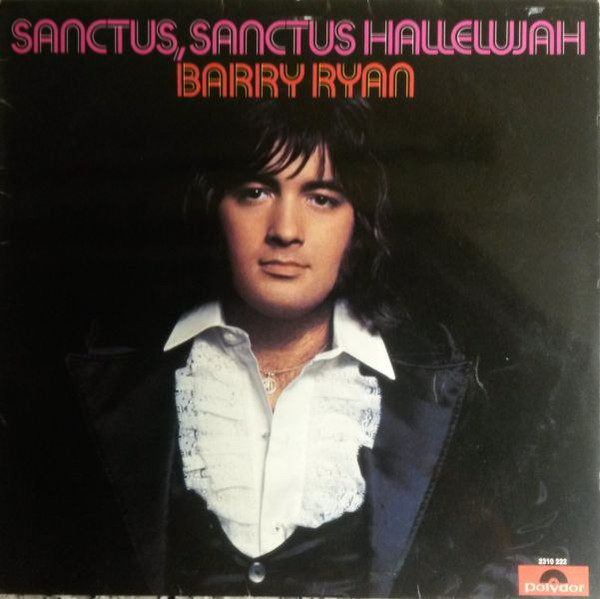
The Russ Ballard songs and some of The Verge material made strange bedfellows when they appeared on one last album for Polydor, ’72’s Sanctus, Sanctus Hallelujah. This was, frankly, a collection of odds and ends with little artistic coherence. It was released to capitalise on the German success of the title track, a Christian-themed singalong written by Paul (perhaps as an apology for ‘Magical Spiel’), and it’s quite understandable that Barry’s solo stardom essentially ends here. After a brief reunion singing with his brother, he flitted unsuccessfully between labels, recording a Judy Garland tribute for Bell (“They worked you and filled you with colourful friends / But were they with you at the end?”) and an unreleased disco album for Private Stock before abandoning music altogether in favour of photography.
To read the whole story order issue #172 here. Subscribe to the mag here.