Issue #173 – Still Life
Despite signing a six-album deal with Vertigo in 1970, STILL LIFE’s eponymous slab of organ-heavy prog was a one-off, sparking intrigue in the record and its players, who comprised a network of musicians hailing from Coventry.
SEÁN CASEY explores the city’s musical lineage and unravels the mystery behind a band, formed from the ashes of beat group The Peeps, that pivoted to progressive rock in search of success
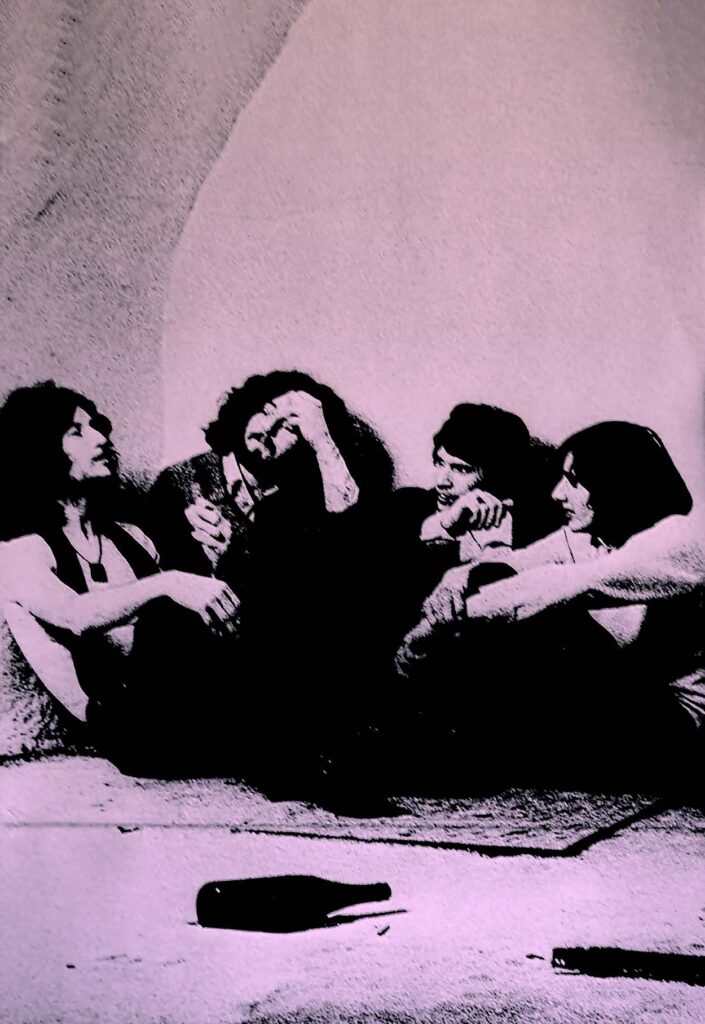
Throughout 1970, the Still Life wrote and refined new material, but just a week before the sessions were due to start, drummer Reed quit, leaving the trio in a bind. Cure later told Pearls Of Rock, “We played some Still Life songs with Gordon Reed on drums at the end of the Rainbows era (as a four-piece minus Roy Albrighton), but when he left, we used Alan Savage to record the album Still Life.”
With Savage spending his first days with the group learning the tracks, in October ’70, they arrived at Recorded Sound Studios in Marble Arch. Determined to replace their beat personas with something more experimental, the sessions resulted in a lurid blend of gothic prog and artistic melancholy, mostly penned by Howells who performed organ, piano and guitar.
It’s the sort of potent prog you steer clear of in your 20s but inquiringly gravitate towards with age, and, while an uneven affair with locked-in grooves sometimes interrupted, their outstanding musicianship is on display throughout, most notably on the brilliant ‘October Witches’, representative of Howell’s imposing command of Hammond akin to that of Keith Emerson or Brian Auger, the theatrically lysergic ‘Dreams’, and Traffic-esque ‘Love Song No 6’, which begs the question, how the hell did Savage learn those drum parts in a week?
A folkish flute performed by Dick Patrick on ‘People In Black’, the most openly progressive track and one which pulses with bursts of stark falsetto harmonies and climactic organ, was the sole contribution outside of the four members. Musically and lyrically, it was a far cry from The Peeps and Rainbows. Gone was the youthful optimism, replaced with an overriding sense of barren cynicism, and despite universal applicability, there’s a sense ‘Don’t Go’ and ‘Love Song No 6’ point to something deeply personal.
Though Howells wasn’t drawn on questions relating to lyrical inspiration, he recalls the process being rushed. “It was rather hurried recording session, I remember. We were all very aware that time is money.”
Clad in the iconic Vertigo swirl and contained within a striking gatefold displaying pink petals on the front cover, contrasting an almost rusted human skull on the back, the record was issued in March ’71, but largely fell on deaf ears. Given the scarcity of original copies, it’s plausible only a few hundred were pressed.
Though there is evidence to suggest they performed the album live – including a show in Coventry – when asked, Cure couldn’t remember. He did, however, quash rumours that they supported the Warwick-formed Edgar Broughton Band, and that they had issued an earlier single on Columbia as Still Life entitled ‘What Did We Miss’. “We never played with or collaborated with The Edgar Broughton Band. Second problem: the songs on the album was the only material we ever recorded, so any other song titles attributed to a band called Still Life would not be us!”
With Vertigo’s promotional spotlight dominated by the likes of Black Sabbath and Manfred Mann Chapter Three, though signed for six albums, Still Life drifted apart. “It just didn’t make an impact due to the fact we had little publicity and no real management,” Howell admits. “The competition was immense and we had no one pushing the album, so we just fizzled out.”
To read the full article order issue #173 here, Subscribe here.