Shindig! Issue #176 – Boards Of Canada
Just why do BOARDS OF CANADA inspire such devotion? And why have they inspired waves of artists, bands and labels? As Inferno, their first album for 13 years lands, TIM MURRAY gets on board with the mysterious Scottish brothers
It was 1998’s Music Has The Right To Children that really thrust the band into the limelight and set them on the road that led to insane fandom and even more insane fan theories. Until then, they’d been a strictly underground phenomenon; cassettes passed on to friends and limited early excursions on Skam. They were aided in part by Internet 1.0, as one of those early tapes, Boc Maxima, the starting point for MHTRTC (the muddled acronym for their fully fledged debut LP), was an early file sharing hit when it seemed as if everyone on the nascent web was sharing files.
They arrived in a world where not only dance music was the dominant force and an increasingly mainstream proposition, but also where it was constantly morphing into something new on an almost weekly basis; the acid-house orthodoxy of ’88 and ’89, where the same records were played at clubs and raves around the country, had fragmented into a score of different genres and gone down all manner of different pathways. The word “intelligent” was being used as a prefix to some of the dance music hydra’s many heads. This perhaps best exemplified by Warp, Boards Of Canada’s soon-to-be regular home, which had developed from its early rave ’n’ bleep stylings into the home of IDM (Intelligent Dance Music, one of the unlikeliest and possibly worst sub-genres of the era), not least via its Artificial Intelligence series and newly-signed, associated acts. Some of these had been inspired further by the ruff and ready hardcore and jungle rave sounds developing into drum and bass in all its many forms (intelligent was chucked around here ahead of DnB as a genre, alongside liquid DnB). Also edging into DnB were jazzy operators such as James Lavelle’s Mo Wax and Gilles Peterson’s Talkin’ Loud; the former’s trip-hop sounds cosying up to Warp acts such as Global Communications as its beats became more abstract and, dare we say it, psychedelic. Library music, alongside film scores, had come to the fore too, riding along the easy-listening wave that had washed over London clubland, as well as from an ever-increasing interest from hip-hop DJs, whose tastes were broadening even further in their relentless quest for breaks while Andrew Weatherall was exploring similarly fertile ground both as a deejay and with Two Lone Swordsmen releases such as Stay Down and A Virus With Shoes, and over there (pointing at some other place), the likes of Stereolab were forging their own paths down similar furrows.
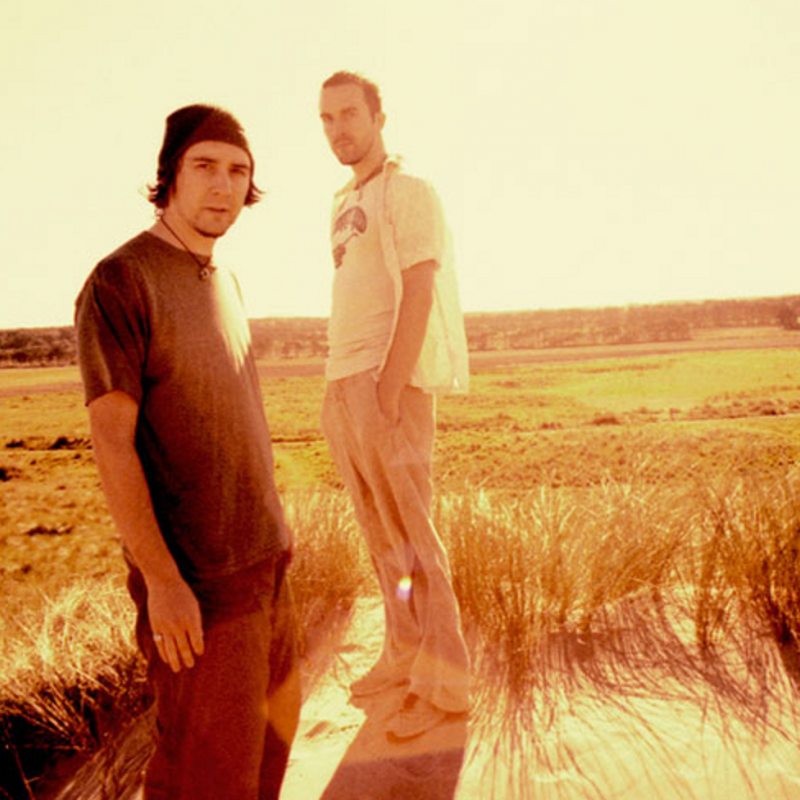
Boards Of Canada tapped in to all these different sub-genres, crossing over into all these groups, but bringing their own unique take.
Seemingly borne of dance music, it may have had beats (“RZA listens like we do,” they said in a 2000 Jockey Slut interview around the time of the A Beautiful Place In The Country EP), but there was more, notably samples from old TV and films, instruments played and being sampled, a touch of industrial here, even loose shoegaze influences from the likes of The Cocteau Twins and My Bloody Valentine. (“If you can dance to one of our tracks, well and good, but it’s not what we’re aiming at,” they said in an interview for French outlet Virgin Megaweb in ’98.)
“Arriving at that sound was a really gradual thing with us,” said Eoin, quoted in Simon Reynolds’ essay on Pitchfork positing the theory that Music Has The Right To Children is the greatest psychedelic album of the ’90s. “We’d been recording in various forms of the band as teens through much of the ’80s and already had a big collection of our own old crappy recordings that we were really fond of. Then, around ’87 or ’88, we were beginning to experiment with collage tapes of demos we’d deliberately destroyed, to give the impression of chewed up library tapes that had been found in a field somewhere. That was the seed for the whole project. In those days, everyone used to have drawers full of unique cassettes with old snippets from radio and TV – it’s kind of a lost thing now, sadly. To me, it’s fascinating and precious to find some lost recordings in a cupboard, so part of it was an idea to create new music that really felt like an old familiar thing.”
Reynolds further notes the mix of analogue and digital, what sounded like the decay and distortion of old recorded music. “You can’t help but think of yellowing photographs in the family album, blotchy and washed-out Super-8 films, or the drop-out addled sound of favourite cassettes left too long on the car dashboard,” he wrote.
To read the full article buy issue #176 here, Subscribe here.